
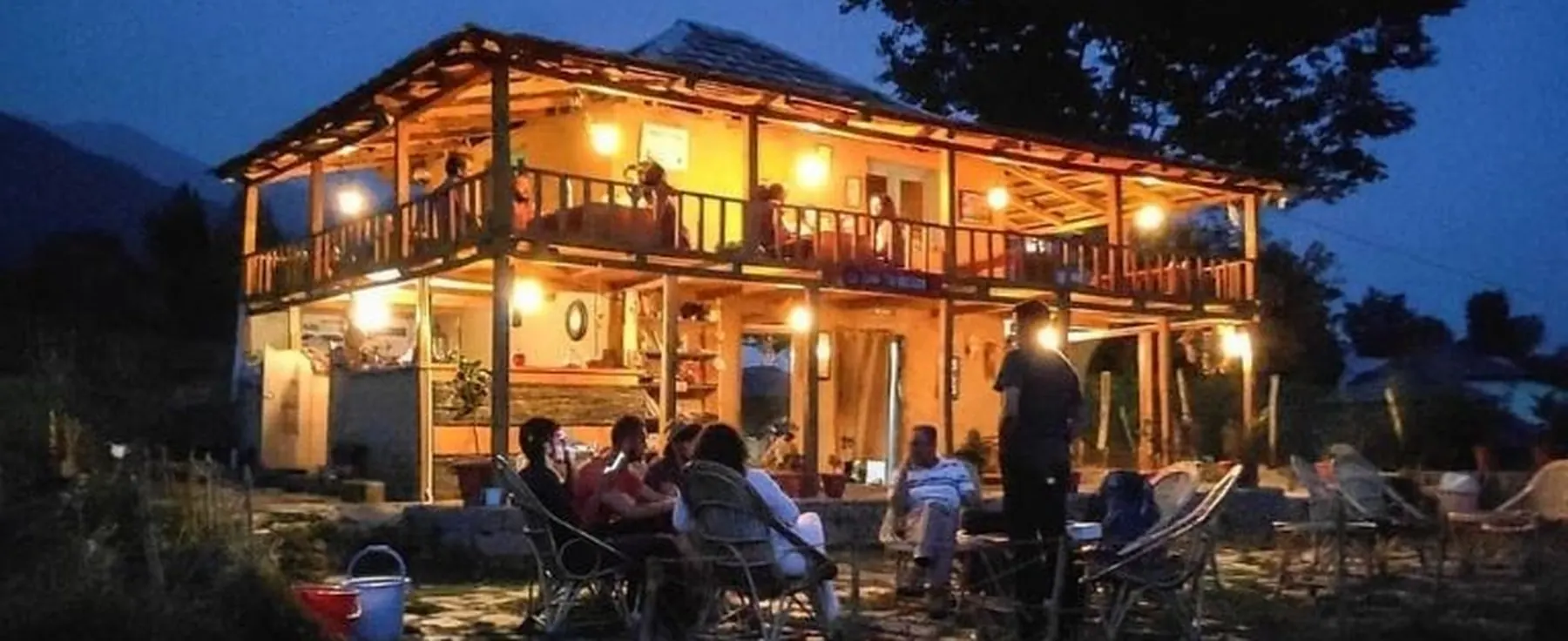
A first morning in Bir is a good time to understand the geography before you start collecting places. Bir is the valley-side settlement and landing area, while Billing is the higher take-off…
Start gently
Bir works better when the first hours are not overplanned
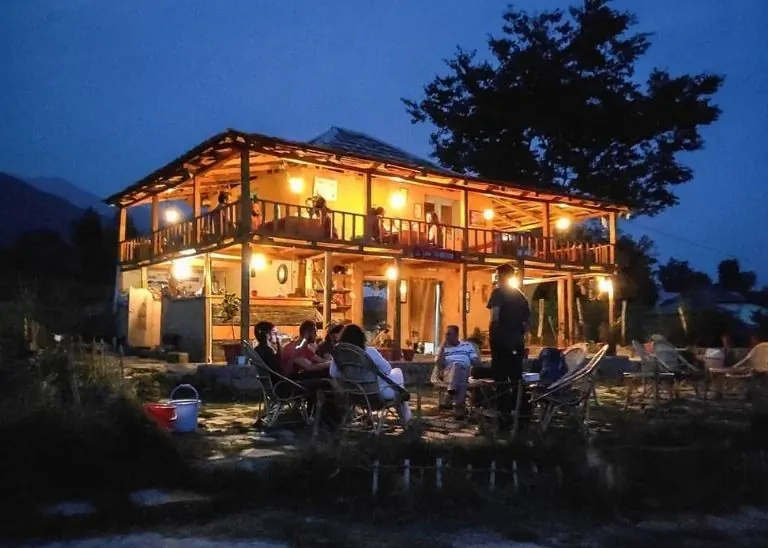
A first morning in Bir is a good time to understand the geography before you start collecting places. Bir is the valley-side settlement and landing area, while Billing is the higher take-off side for paragliding. District Kangra also describes Bir as a place associated with ecotourism, spiritual studies, meditation and a Tibetan settlement with Buddhist monasteries. That combination is useful to know before the day fills up, because Bir does not need to be treated like a single-point attraction.
If you are staying around Bir Colony or the Tibetan Colony, begin close to where you are staying. Have breakfast, look at the weather and decide what actually needs a fixed time. If a flight is booked, the operator’s reporting instructions should control the morning. Do not build a sightseeing schedule around an assumed launch time: flying conditions and operator decisions can change the order of the day.
Start on the valley side
The lower part of Bir is where the destination starts to make sense on foot. Roads around the Tibetan Colony and nearby areas pass monasteries, cafés, guesthouses, fields and ordinary village activity. You do not need to turn this into a checklist. Walk one direction, notice how the built-up area gives way to fields and mountain views, and keep enough time to stop for breakfast or tea without watching the clock.
Understand what Billing means
Himachal Tourism places Billing about 14 km from Bir and identifies it as the paragliding take-off point, with Bir as the landing point. The difference is more useful than the distance alone: Billing is a high mountain setting and Bir is the valley-side base. If you are flying, allow time for the road journey, reporting process and whatever the operator asks you to do once you arrive.
If you are not flying
Chokling Monastery and the Tibetan Colony can give a non-flying morning a natural focus. Treat these as living religious and residential spaces rather than attractions designed only for visitors. Keep noise low, follow signs, ask before photographing people or interiors and check whether a particular area or programme is open. A slower visit to one place will usually tell you more than rushing between several names.
Let the rest of the day respond
If a flight moves, Bir gives you several sensible ways to use the time: stay around the landing side for food, spend longer in the colony, take a village walk or simply sit somewhere with a view. If the weather is poor, a café and cultural visit can become the plan rather than the backup plan. If everything goes smoothly, you can still keep the afternoon open for a wider outing.
The official tourism material presents Bir-Billing as more than a flying site, with mountain scenery, tea estates, trekking and camping also part of the destination. That broader setting is worth noticing on the first morning because it changes the question from “what attraction is next?” to “which part of Bir do I want to understand today?”
A useful first walk
If you have arrived the previous evening, a short morning walk is also a practical orientation exercise. Notice which road leads towards the landing side, where your nearest food options are and how long it takes to reach the parts of the colony you actually want to visit. That knowledge becomes useful later when a flight time changes or you simply want to get back to your stay without opening a map every few minutes.
For a first day, resist the temptation to combine Billing, a monastery, a long café stop and a regional excursion. Bir is easier to understand in pieces. Once you know the lower valley, the relationship between Bir and Billing becomes much clearer and the rest of the itinerary can be built around what you actually enjoyed rather than what a generic checklist told you to see.
Sources: District Kangra · Himachal Tourism
Keep exploring the valley.
Use the practical Bir Billing information on the site to turn what you have read into a day in the valley.
Open Bir Billing Information →