
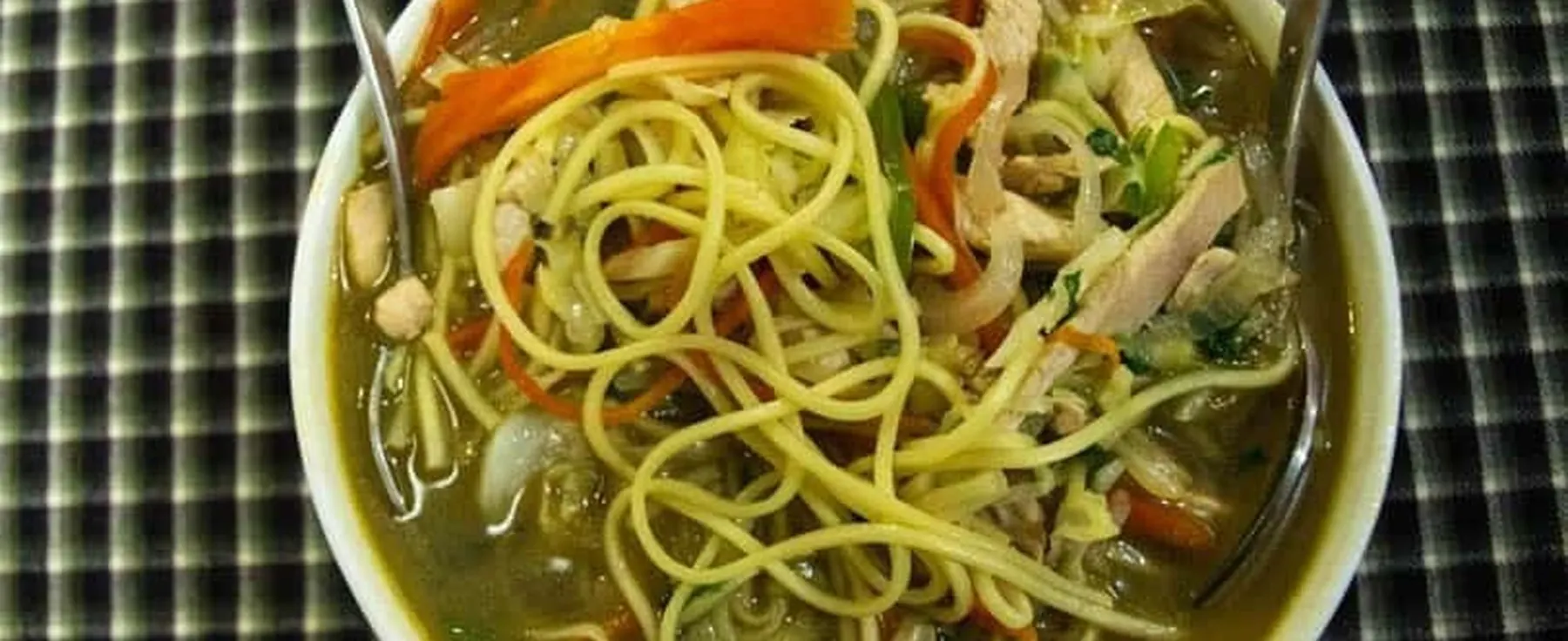
Bir's food scene makes more sense when you plan it around the geography of the day. The Tibetan Colony and Bir Colony have clusters of cafés and small restaurants, while the landing…
Eat around the day
Use cafés, Tibetan food and local meals as natural pauses
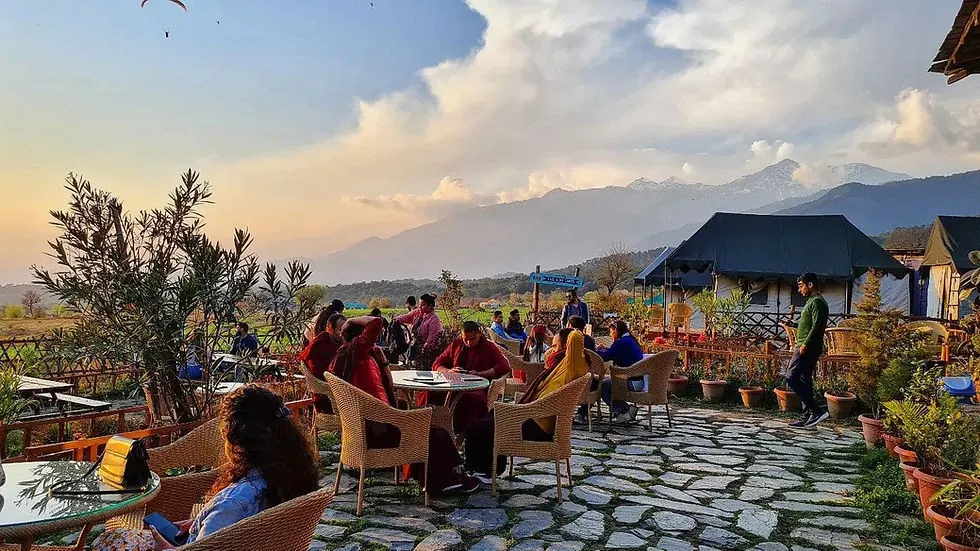
Bir’s food scene makes more sense when you plan it around the geography of the day. The Tibetan Colony and Bir Colony have clusters of cafés and small restaurants, while the landing side is convenient after a flight. Billing is primarily the high take-off setting, so most substantial meals and longer café stops naturally belong on the Bir side of the trip.
The food mix is broader than a single “Bir cuisine”: Tibetan staples, Indian meals, café breakfasts, bakery food, pizza, South Indian dishes and other vegetarian-friendly options can all appear depending on the business. Menus are not permanent, so the useful question is not “what are the five best restaurants?” but “what kind of meal fits where I am and what I am doing next?”
Start with Tibetan food
Momos and thukpa are an obvious introduction, but the better approach is to look at what a particular kitchen is serving that day. Smaller restaurants can be simple and busy, and the experience may be less polished than a café designed around presentation. Ask what is fresh, what is vegetarian and what is actually available rather than assuming an old online menu is current.
Eat around the landing side after flying
After a tandem flight, the landing area naturally brings you back into Bir. That is a good time for a practical lunch or coffee rather than another fixed appointment. Businesses around the landing-side and colony areas change over time, so treat names found online as leads and check current opening information before travelling specifically for one restaurant.
Ask for Himachali food rather than assuming
If you want local Himachali food, ask what is available that day. Dishes such as siddu and dham are part of the wider Himachali food tradition, but they are not guaranteed daily café menu items in Bir. That distinction matters: a responsible food guide should tell visitors how availability works rather than promise a dish that may not be served.
Match food to the route
If the morning is around Chokling Monastery and the Tibetan Colony, stay in that area for the next meal. If you have just landed, use the nearby cluster first. If you are heading towards a wider Kangra outing, eat before leaving Bir rather than assuming you will find the same range of cafés immediately outside town. Food can make the itinerary easier when it follows the route instead of fighting it.
Leave room for a long café stop
A good Bir food day does not need six stops. Breakfast can be simple, lunch can be practical and an afternoon coffee can become the place where you decide what happens next. That rhythm fits Bir because the destination is not built around a dense city-centre restaurant circuit. The slower spaces between meals are part of the experience too.
What to ask before ordering
Because menus and staffing can change, the most useful food habit in Bir is asking a simple question: “What is available today?” That works particularly well for regional dishes, Tibetan specials and anything described as seasonal. It also helps visitors with dietary restrictions avoid relying on an old menu photo. If a place is busy after a flight window, expect service to take longer and use that as part of the pace rather than trying to fit another timed activity around lunch.
For a short stay, three food decisions are enough: a convenient breakfast near your accommodation, a practical meal after the day’s main activity and one café stop you can actually linger over. That gives you variety without turning the food scene into another attraction-collecting exercise.
Sources: District Kangra · Himachal Tourism
Keep exploring the valley.
Use the practical Bir Billing information on the site to turn what you have read into a day in the valley.
Open Bir Billing Information →